
花嫁
火星惊现“蜘蛛状岩层”?假的!网红图破绽百出_我的网站

一 |
As physicians who care for children and families, our mission is to keep our patients healthy and help them thrive.
With many students heading back to school soon (and some having already started classes), we know all too well what it’s like for families to navigate this changing season – and importantly, to try to stay healthy. Along with the excitement and energy that each new school year brings, this is also a time of exposure to all the viruses that we typically see during the colder months. This year, that includes colds, the flu, respiratory syncytial virus (or RSV) and COVID-19.
As families prepare for the year ahead, it’s important that children’s immune systems are also prepared to detect and resist viruses so that they can stay healthy and thrive. Just like how software updates to your phone or computer keep things in working order, vaccines help your body’s immune system work better. We also know that when everyone can access recommended immunizations on time, it stops preventable diseases from spreading through our communities.
Vaccines are one of the greatest medical advances in history. Thanks to widespread immunization, we have eradicated or controlled many diseases that once caused pain, suffering and even death for countless children – from smallpox and polio to tetanus and measles. Plus, when children stay healthy and free of such debilitating diseases, they can succeed by staying in school and safely participating in activities like sports and other after-school programs. This continuity helps improve children’s social and emotional development and their entire quality of life.
Unfortunately, parents must currently try to find guidance about their child’s health in a sea of mis- and disinformation. In the age of social media, misinformation about many topics is rampant, and vaccines are no exception. We encourage everyone to seek information from a trusted source, like their family physician or pediatrician – the same way that we work together with parents to offer guidance on other important topics like healthy nutrition, injury prevention and so much more.
At that same time, we do need better ways to talk about vaccines, along with ways to help parents identify accurate sources of information that they can trust. We must also ensure that vaccines are widely available, easy to find and affordable to everyone.
Right now, the U.S. is lagging behind. In 2022, only 45.9% of children received a flu shot, down from 53.1% in 2019, according to data from the Centers for Disease Control and Prevention. This is compounded by research that showed a two-year decline in children receiving routine vaccinations during the COVID-19 pandemic.
Also concerning is CDC research showing that 8% of children had not had a well-child checkup within the last year – and that 6% didn’t have a doctor’s visit at all. A recent UNICEF report also shows 67 million children across the world missed out on one or more vaccinations over the last three years. These children are missing opportunities for immunizations as well as vital guidance on mental health, nutrition and other areas of child health and development.
These statistics are even more reason for parents, physicians and policymakers to ramp up vaccine education and ensure that children and their families can access vaccines and other routine medical care.
As physicians who care for families and who watch children grow up over many years, pediatricians and family physicians are well-positioned to help patients and their parents navigate challenges in getting vaccines. In addition to helping overcome barriers like lack of insurance or transportation, we can also serve as sources of accurate information. We can be a backstop against the rampant misinformation parents encounter in social media and a sounding board for their questions.
But physicians cannot do this alone. Policymakers must recognize the need to help families who qualify stay enrolled in Medicaid and to protect programs like the Children’s Health Insurance Program, which offers coverage for those who might not be eligible for Medicaid. We must expand the number of hospitals and clinicians who participate in the federally funded Vaccines for Children program, which today offers vaccines to nearly half the nation’s children. This program is critical because it helps ensure vaccine and health equity. And we must also ensure that physicians have the support they need to continue physically storing, administering and counseling families on vaccines.
In the end, we all share a collective responsibility to safeguard the health of our nation’s children and the health of the public. As your doctors, we know that we are all healthier when everyone is vaccinated.
。
最近在社交媒体上广泛流传这样一张图片,据说是由美国国家航空航天局(NASA)“好奇号”火星车在火星上拍摄的“蜘蛛状岩层”。不过,经美国事实核查网站调查,该图片实为人工智能生成,并非真实的火星影像。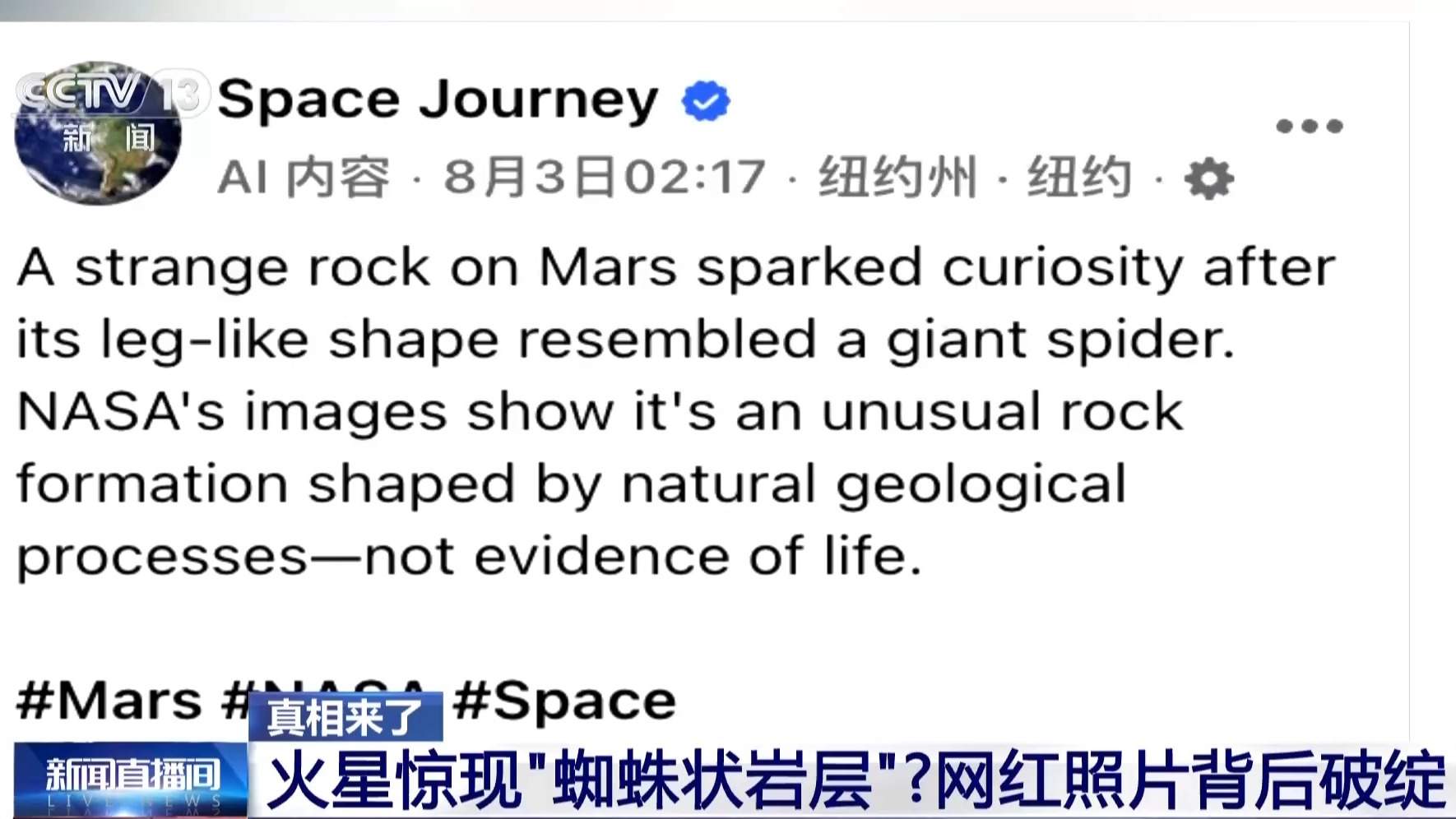 这张图片是一个名为“太空旅行”的账号在某海外社交平台上发布的,还配文称:“NASA的图像显示,这是一块由自然地质过程形成的奇特岩石结构,并非生命存在的证据。”这张图片也在其他多个社交平台传播。 美国事实核查网站通过反向图片搜索,并在多个搜索引擎中检索关键词“火星蜘蛛岩层”,但未在NASA官网及主流媒体报道中找到该图的任何官方来源。美国事实核查网站将图片上传至AI识别工具后,结果显示其为生成式AI工具创建,进一步支持了AI伪造的推测。
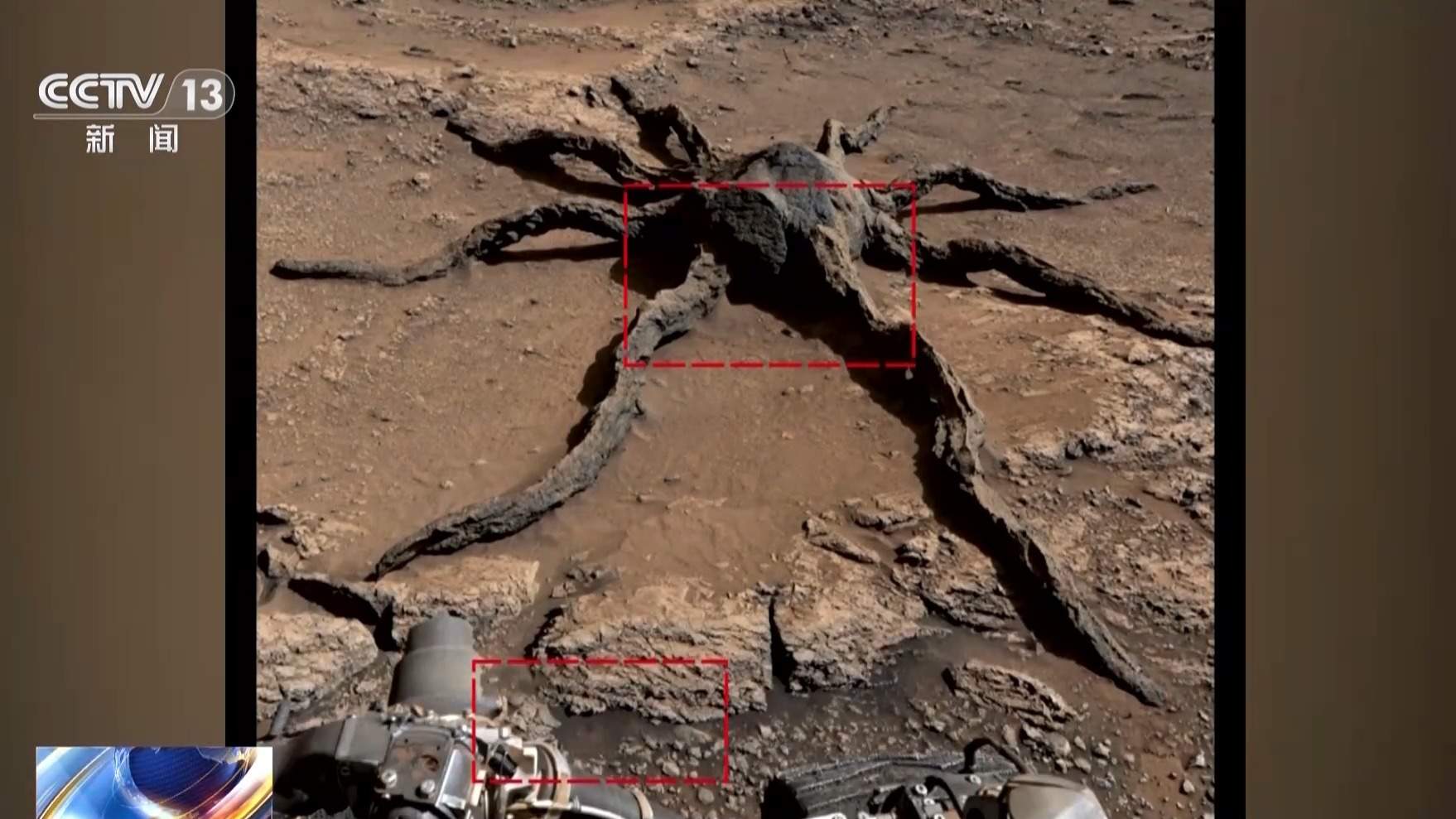 其实仔细观察图片就可发现一些AI伪造的破绽:“蜘蛛状岩石结构”投下了明显的阴影,但画面中的“火星车”底部却没有任何阴影,光影关系不一致。
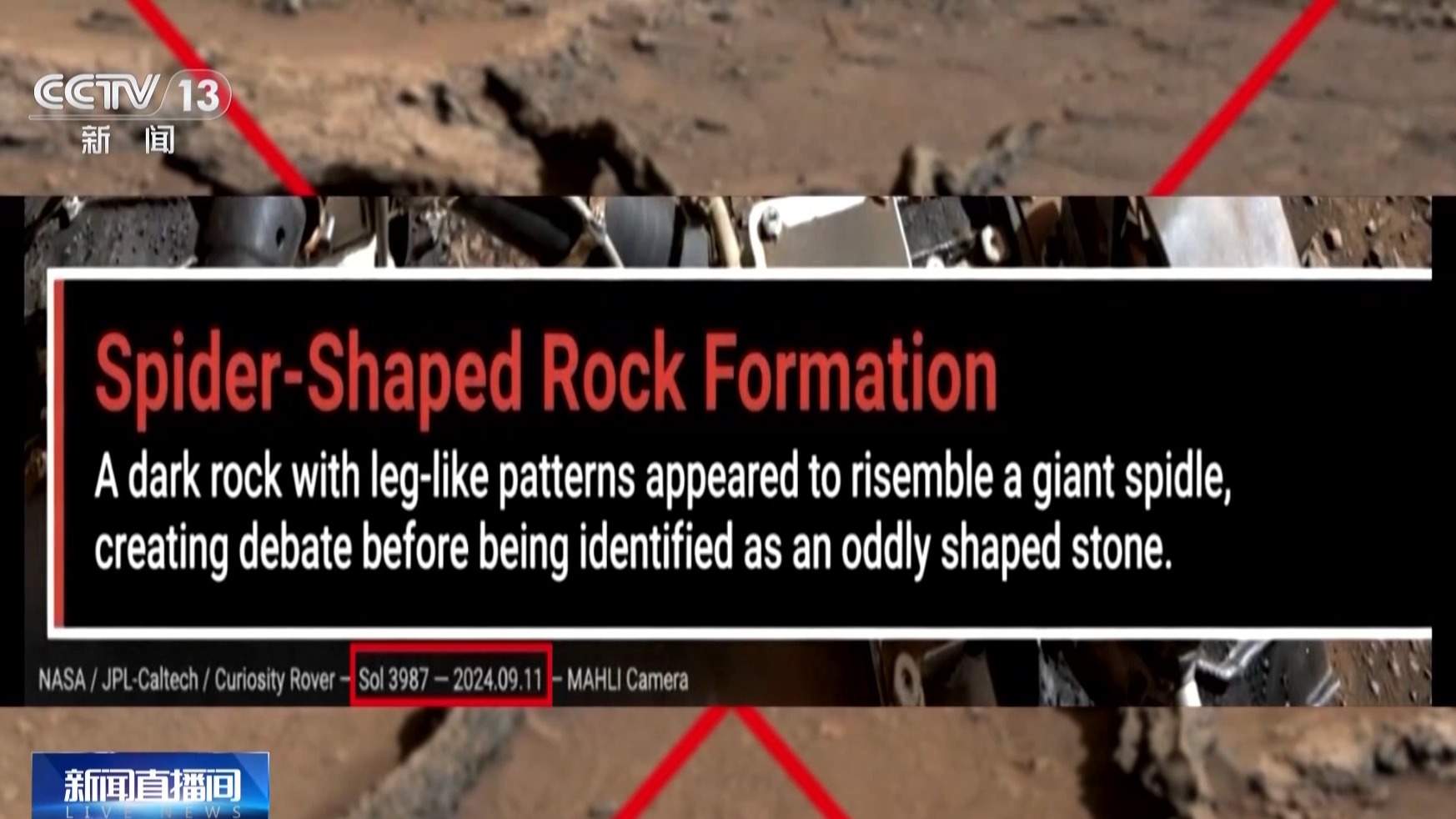 另外还有一个破绽就是这张图片下方的文字。
二 | 这些文字称图片拍摄于“好奇号”火星车第3987个火星日,并标注日期为“2024年9月11日”。

三 | 但根据美国国家航空航天局官方数据,第3987个火星日实际对应的日期应为“2023年10月24日”,这一破绽也进一步暴露了该图片的虚假性。
Current article:http://br7ug.loukachunwenghongchuikui.shop/list_oq1/t1cw.html
Published on:17:28:50


1
国家数据局:规范开展公共数据授权运营2
新西兰“第一夫人”将在奥克兰举办下午茶 每人募捐110纽币3
上半年483家首店、520场首发首秀在京亮相,上半年483家首店、520场首发首秀在京亮相4
新西兰中小学迎来巨变!美情报官员在惠灵顿秘密开会……5
新三板基础层公司一号农场大宗交易折价25.97%,成交金额268万元6
Rekha Shines at The Red Sea Film Festival With a Rare Public Appearance7
福建福彩形象店正式上线,10万福利大派送8
女子把年假当年会奖励被公司开除9
【白塔小报】垃圾分类 从我做起10
厦门公路做“CT” 检测车“巡诊”地下隐患11
10699元!COLORFIRE MEOW X16 Pro游戏本发布:环域智控语音开机12
周琦下赛季回归NBL几率渺茫 凤凰队已经启动B计划13
波兰恢复在华15处签证中心14
分期乐借还款记录全删,找客服不回复也不给开结清证明15
德天空:克洛普已与孔帕尼、小赫内斯、科瓦奇长时间通话
- 随机推荐
1
一名驻日美军士兵疑似手握枪支、头部流血死在车辆驾驶位,日本警方展开调查2
Trump Tariff India: अमेरिकी टैरिफ की चपेट में भागलपुर का सिल्क कारोबार, 75 करोड़ का माल फंसा3
广东开展森林消防“以水灭火”实战拉练4
Ecuadorian President Daniel Noboa to visit China5
槐荫城管:精心管理城市,真情服务民生6
Assimilation, Exploitation & Discrimination: The Unenviable Fate of Canada’s Indigenous Peoples7
济南未来两天多雷阵雨天气8
车尾曝光 搭载混动系统 全新Jeep Cherokee(自由光)无伪装谍照9
予你一束浪漫,刮开万般惊喜!福彩刮刮乐为这个七夕浪漫加码10
FTC:Qualcomm是最昂贵的智能手机11
速成车引热议!一汽丰田高管:不会为抢占市场风口 盲目追逐上新速度12
热身赛:末节23-11!中国女篮逆转双杀尼日利亚 张子宇23+1313
德罗赞1年390万加盟掘金 联手约基奇冲击首冠14
OpenBSD 7.2发布 支持Ampere Altra, Apple M2处理器15
【年度盘点】__个关键事件,回眸杭州市滨江区钱塘山水幼儿园的2024